Afrikaans · Die familiewapen
A shield that passes down
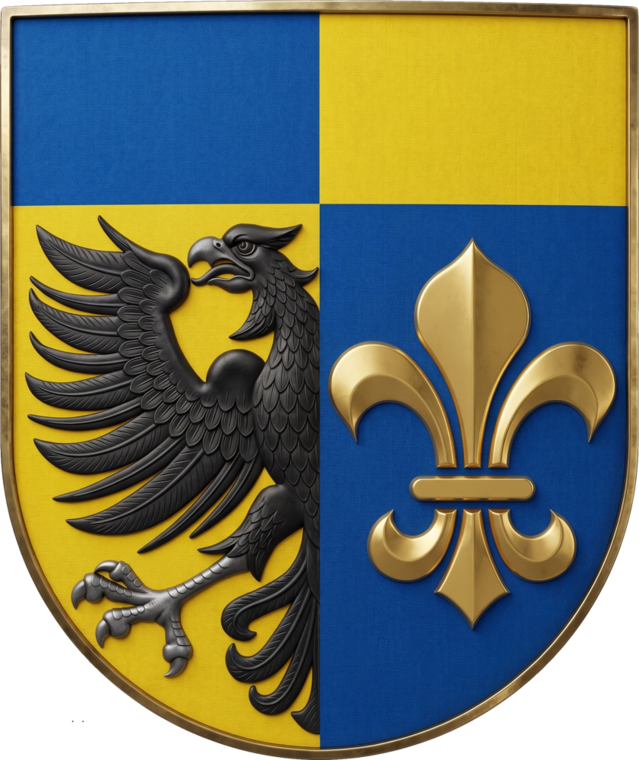
Afrikaner families brought the European habit of arms to the Cape and made it their own. The shield is handed down to every generation that bears the name.
The Van der Walt-Familiebond registered the family arms with the Bureau of Heraldry in 1978. The story of our arms
Sotho and Tswana · Seboko
An animal that stands for the clan
Among Sotho and Tswana people, each clan has a seboko, most often an animal, that marks its shared descent. For the Bakwena, the people of the crocodile, it is kwena. The Royal Bafokeng honour the crocodile too.
The seboko is inherited, like a surname. It tells you whose people someone belongs to, and it comes with respect: some clans will not harm or eat their animal.
Zulu, Swati, Ndebele · Isibongo
A family tree you can say out loud
Your isibongo, the clan name, says which ancestor you come from. Your izithakazelo, the clan praises, recite that line: the names of the ancestors and what they were known for. Xhosa families keep the same kind of clan name, the isiduko.
Nobody needs a document. The praises are the record, and saying someone's izithakazelo is how you thank them or honour them.
Royal houses · Regalia
A lineage you can wear
Royal houses carry their line in objects: the leopard skin, the shield and the staff. The leopard skin is worn only by those with the right to it.
KwaZulu-Natal's provincial arms put such symbols into heraldry: a crossed spear and knobkierie for authority, a Zulu hut, and a lion, because the Zulu king is called Ingonyama, the lion.